Women
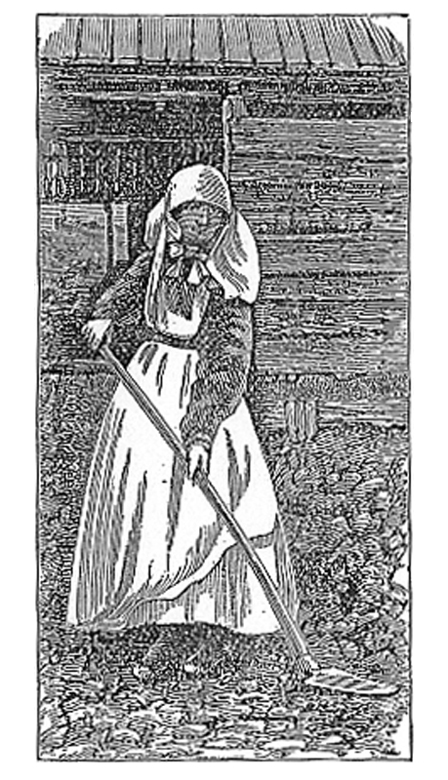
and children were probably working at or in the mines in Devon
and Cornwall from the days of antiquity, but the earliest written
records date from the Middle Ages. From this time, at least, it
seems that women and girls did not work below ground, but usually
dressed ore at surface. They were employed in particularly large
numbers from about 1770 until 1860. From then their numbers declined;
the last being laid off in the early 1920’s. They were employed
throughout the mining industry; at tin, copper, lead, manganese,
uranium, antimony, arsenic, iron and zinc mines, as well as at the clay
works and smelters. In Cornwall and Devon they were often
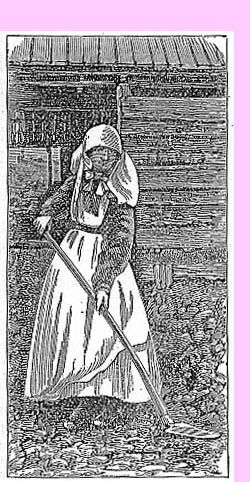
referred to as ‘Bal
Maidens’ (the word Bal being ancient Cornish for mining
place).
Ore
dressing was by no means the only task that females undertook at
the mines in the South West. On most mines there was also at least
one ‘counthouse woman’ who was responsible for the cleaning,
cooking and laundry at the mine counthouse (office). There were
also some female waggoners, assayers assistants, whim horse attendants
and even one ‘kibble’ (ore bucket) lander. In the mid
19th century a few even became mine or clay works managers. Some
women also took over ‘mens’ jobs’ at the clay
works in World War 1.
Women
and girls were also employed in the gunpowder mills, safety fuse
works and dynamite factories. They often constituted the majority
of the workforce, and were at continual risk, as is evidenced by
the high proportion of females amongst the accident and fatality
statistics.
By
1800, there were 2,000 or more females employed in the Cornish mines,
and at least 6,000 by 1851. Between 1720 and 1920, there were probably
more than 80,000 females working in all of the mine related industries
in Devon and Cornwall, 30,488 of whom are recorded in our searchable
database (Last
updated 30th March 2026)
*** New for March 2016 *** Full searchable transcript of the 1842 Commission into the Working Conditions of Children at the Mines in Cornwall and West Devon. This includes interviews with 21 bal maidens.
For
further information please see the following:
Glossary Glossary of Ore Dressing Terms
Searchable
Database for named Bal Maidens and other women in the
related mining industries in Cornwall and Devon (30,488 entries)
Bal
Maiden Interviews from the 1842 Commission
Bal
Maidens at Work
Bal
Maidens Picture Gallery
1842
Commission Index of names for Cornwall
and Devon
Links
and Resources on Women at the Mines
Books
& Articles
|
****New Third
Edition 14/09/2025****
BAL
MAIDENS by
Lynne Mayers.
Third
& Enlarged edition, published by Blaize Bailey Books.
342 pages, 175mm x 250mm paperback. 101 illustrations, General Index, Mine
Index, Bal Maidens Index.
Available
now from www.lulu.com £27.50 |
|
***NEW March 2014***
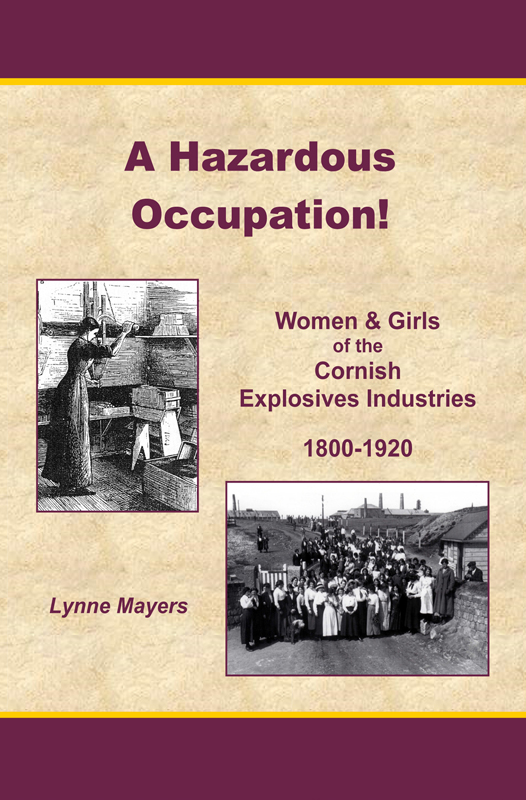
A Hazardous Occupation- Women
and Girls of the Cornish Explosives Industries,
by Lynne Mayers, published by Blaize Bailey Books. 82 pages, 153mm x 229mm paperback.
Available
now from www.lulu.com £9.95 |
|
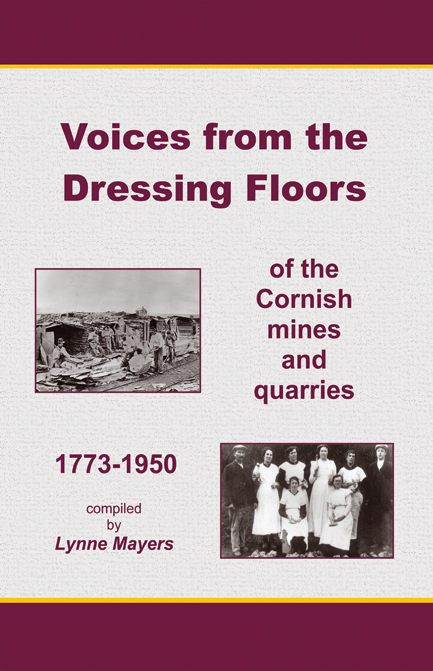
Voices
from the Dressing Floors by
Lynne Mayers,
published by Blaize Bailey Books. 124 pages, 153mm x 229mm
paperback. 24 illustrations. First hand stories from the Cornish
mines and quarries. 1773-1950.
Available
now from www.lulu.com £9.95
|
|
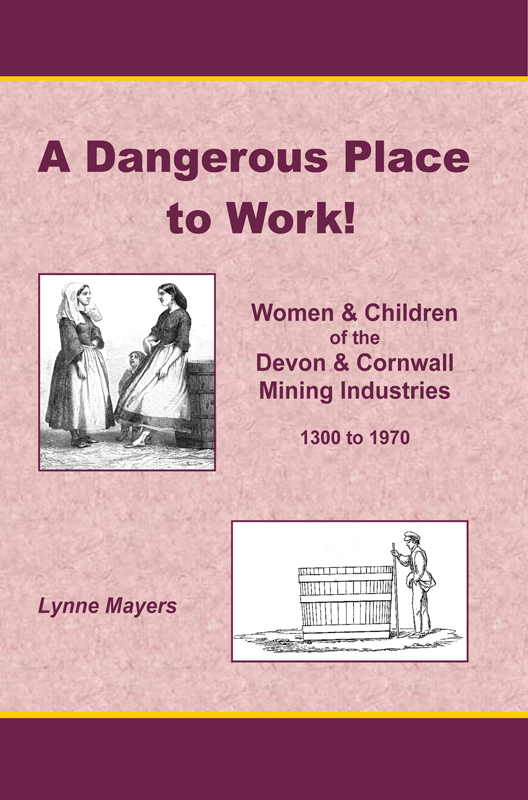
A
Dangerous Place to Work! by
Lynne Mayers, published by Blaize Bailey Books, 108 page
153mm x 229mm paperback.
This
book tells the story of the employment of women and children
right across the mining industries of Devon and Cornwall,
up until the second half of the 20th century. It includes
their work at the mines, clay works, slate quarries, foundries,
smelters, and gunpowder and explosives works.
Available
now from www.lulu.com £9.95
|
|
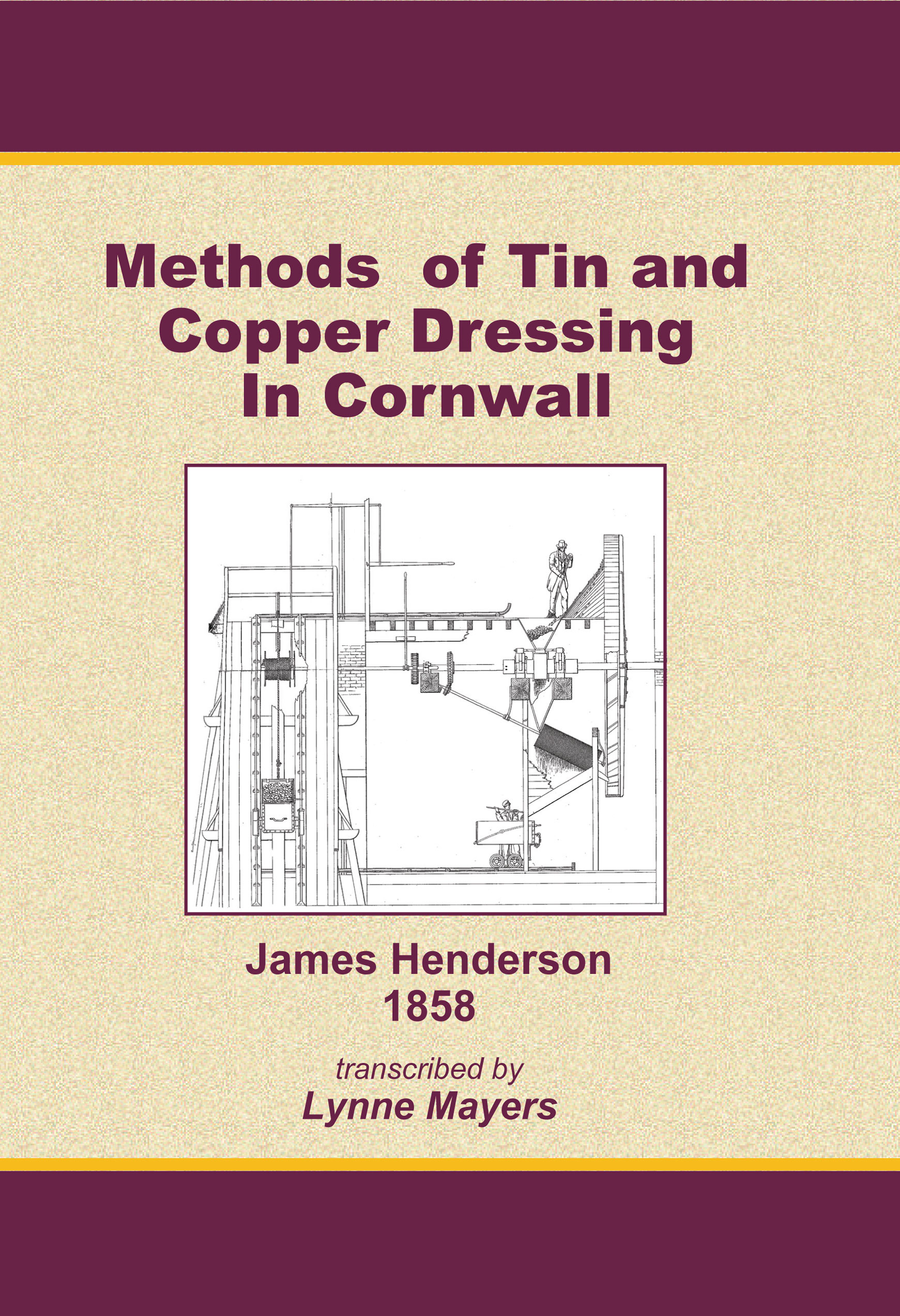
Methods
of Tin and Copper Dressing in Cornwall, by James Henderson 1858, transcribed by Lynne
Mayers 2016, published by Blaize Bailey Books. 48 page A5 saddle-stitched
paperback booklet transcribed from the Proceedings of the
Institution of Civil Engineers, 1858, with all the original
Henderson drawings computer enhanced. New and improved
Third Edition March 2016
Available
now from www.lulu.com £5.95
|
|
***NEW February 2014***
*Winner Holyer An Gof Award 2015- Best Booklet published 2014*
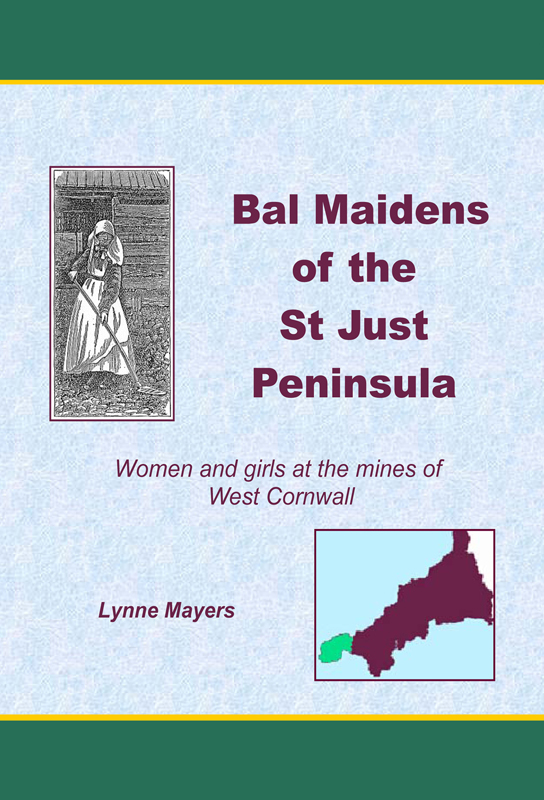
Bal Maidens of the St Just Peninsula- Women
and Girls at the Mines of West Cornwall,
by Lynne Mayers, published by Blaize Bailey Books. 41 pages, 153mm x 229mm paperback.
Available
now from www.lulu.com £5.95 |
|
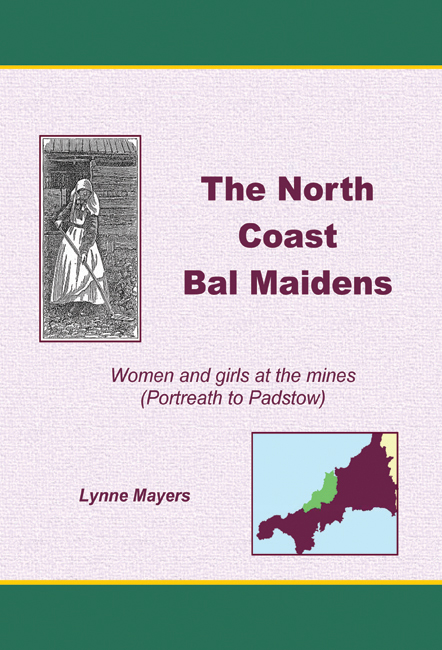
The
North Coast Bal Maidens - Women
and Girls at the Mines (Portreath to Padstow),
by Lynne Mayers, published by Blaize Bailey Books. 31 pages, 153mm x 229mm paperback.
Available
now from www.lulu.com £5.95 |
|
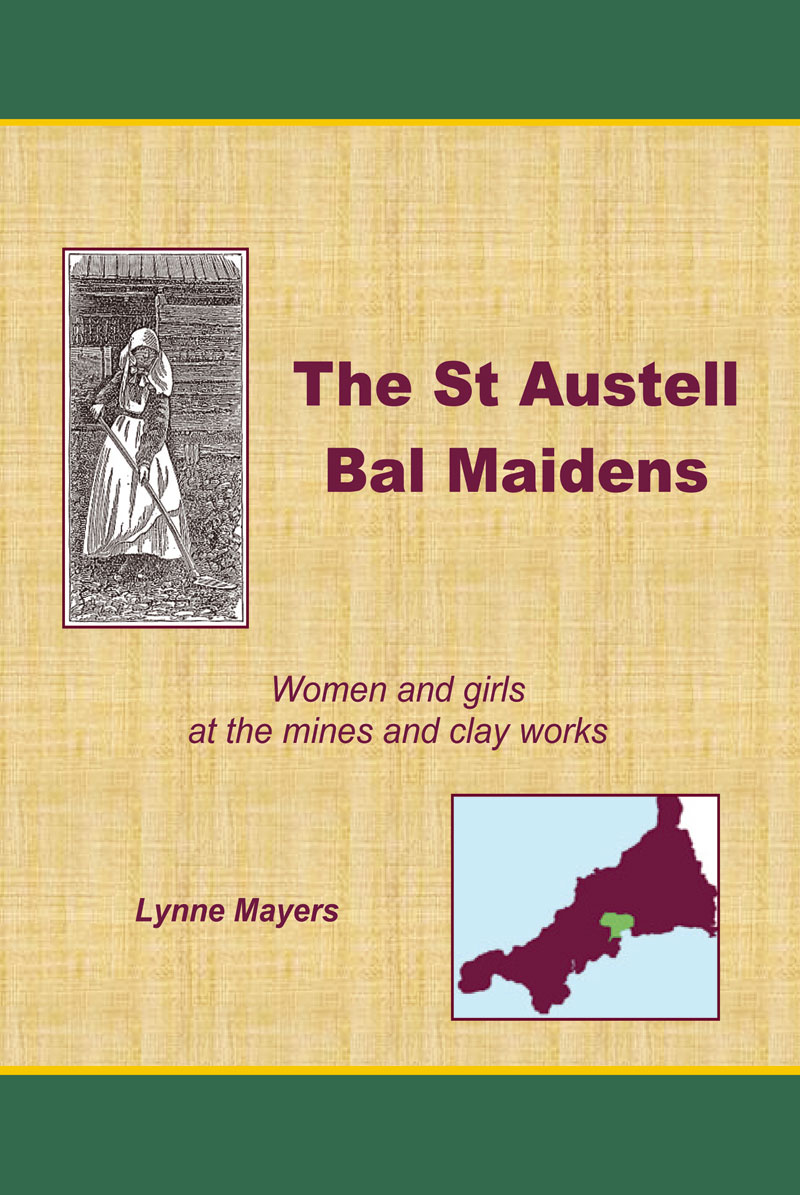
The
St Austell Bal Maidens - Women
and Girls at the Mines and Clay Works of the St Austell Area,
by Lynne Mayers,
published by Blaize Bailey Books.
36 pages, 153mm x 229mm paperback.
Available
now from www.lulu.com £5.95 |
|
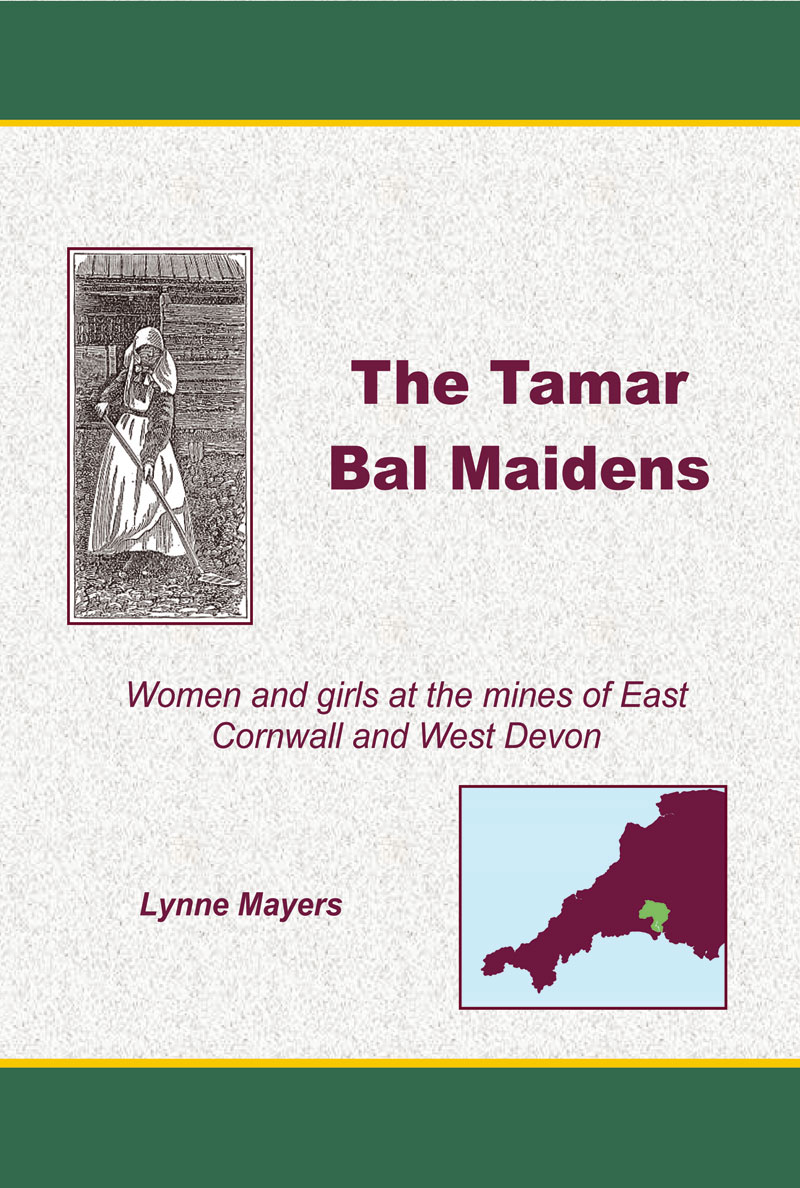
The
Tamar Bal Maidens - Women
and Girls at the Mines, Smelters, and Clay Works of the Tamar
Area,
by Lynne Mayers,
published by Blaize Bailey Books.
32 pages, 153mm x 229mm paperback.
Available
now from www.lulu.com £5.95 |
|
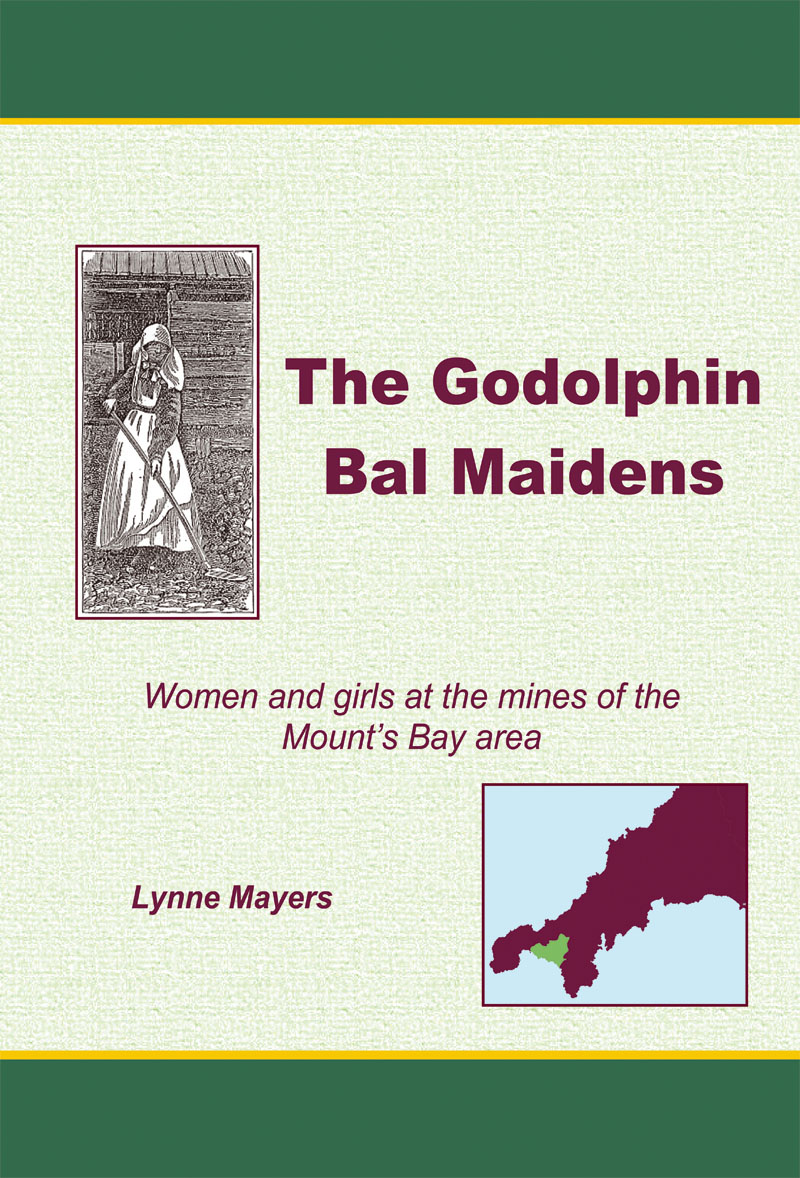
The
Godolphin Bal Maidens - Women
and Girls at the Mines of the Mount's Bay Area,
by Lynne Mayers,
published by Blaize Bailey Books.
28 pages, 153mm x 229mm paperback.
Available
now from www.lulu.com £5.95 |
Back
to Top |